In mid-August 2026, I surveyed Board Game Beat readers on their game preferences and how they learn about and acquire new games. Ideally I can use this info to guide what I cover in the future, although I'm also guided by what gets commented on, which posts get clicked the most, what's available to write about, and what calls to me.
How Many, How Often, and How Difficult
Admittedly I'm surveying a niche audience here on a website devoted to hobby board games, so it's no surprise that 87% of the 141 respondents state that they own more than one hundred games, with that 87% split evenly into thirds in the groupings "101-250 games", "251-500 games", and "more than 500 games".
The same percentage (87%) reports a game-playing frequency of at least once a week, with 7% playing "about once a day" and an additional 7% playing "multiple times per day". I'm jealous!
In terms of ideal playing time, 41% say "1-2 hours" and 30% say "30-60 minutes", while "2-3 hours" is best for only 8% and "under 30 minutes" only 3%. The player count preference is 43% for 3-4 players, 33% for 2 players, and 9% for solo. A decent percentage of people say "It depends" for both playing time (18%) and player count (10%).
That "It depends" percentage is much higher when it comes to game complexity, with 28% choosing "I play all over the map". Perhaps unsurprisingly, 70% of respondents chose a preference from "light-medium" to "medium-heavy" — specifically "light-medium" (22%), "medium" (30%), and "medium-heavy" (17%) — leaving only two people to choose "heavy" and one to choose "light". You know who you are!
Interestingly, of the 24 people who chose "medium-heavy" as their favorite level of game complexity, 17 of them said they prefer 1-2 hour games. In case it wasn't already clear, game difficulty and playing time don't scale evenly, something any Innovation player already knows. (Thinking about the crossover between these two concepts, I recall games of War with my brother that would last for hours due to us losing aces back and forth in battles. I wonder how my experience of gaming in the 1970s as a child would differ from playing today as a child...)
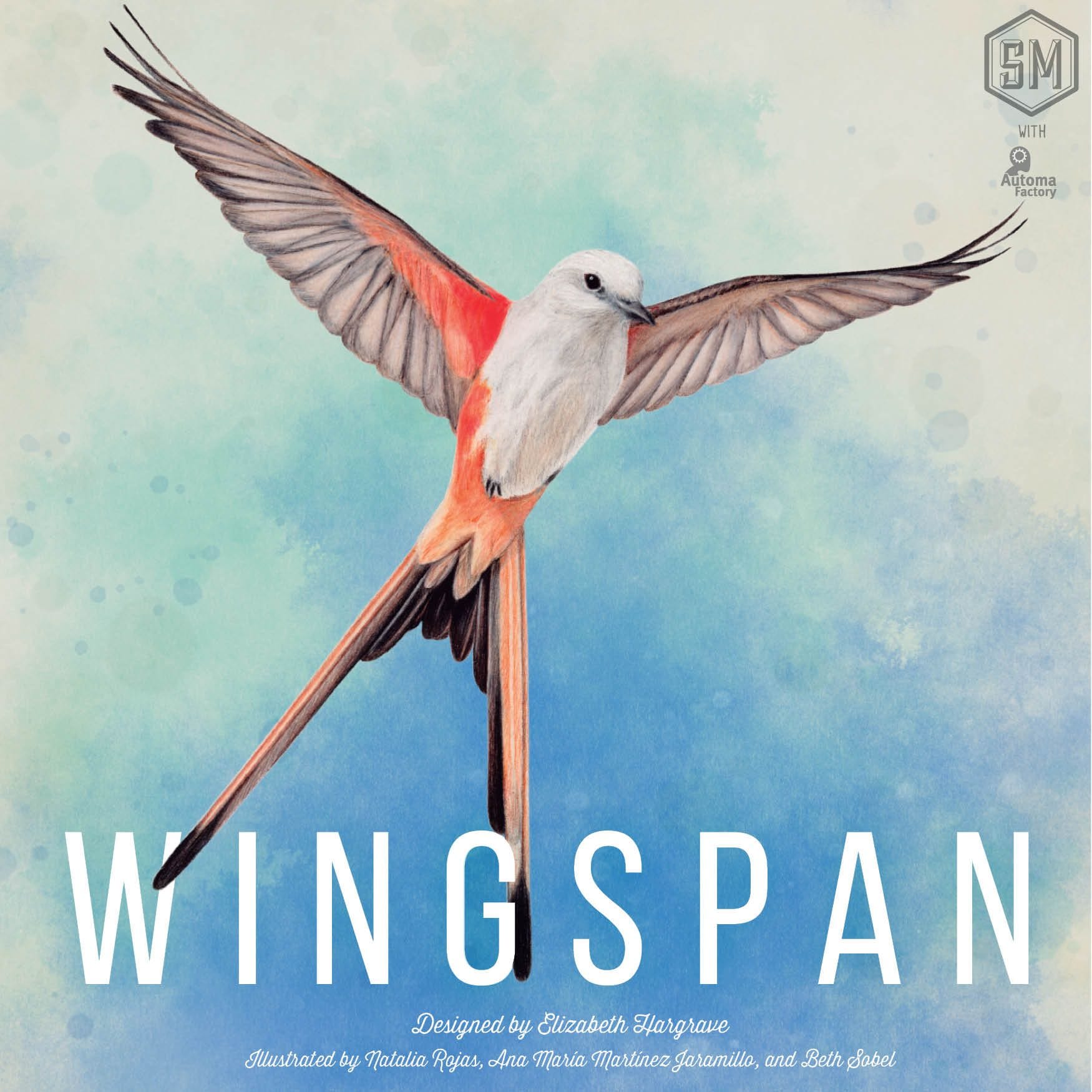
These complexity ratings are all relative, of course, as I gave no examples of what qualifies as "medium". On BoardGameGeek, Wingspan is judged as light-medium or medium by 95% of respondents (with that number split evenly), whereas twice as many BGGers view CATAN as light-medium compared to medium, with 10% even rating it as "light", which seems nuts to me.
(I'd love to see a study that takes gamers unfamiliar with CATAN, Wingspan, and other modern titles into a one-way-mirrored room and film them learning these games from the rules, then playing them. Who wants to fund this?! Designers often talk about the value of blind playtesting in terms of feedback, but I don't know anyone beyond Matt Leacock who actually has playtesters film themselves.)
(Alternatively, we could just ask actor Mandy Patinkin to film himself learning more games as his 2022 video about learning Wingspan provided a clear example of how challenging a "light-medium" game can be. Using this video as a prompt, designer Jeff Warrender riffed on this topic in his BGG blog.)
Recent Purchases
Circling back to game ownership, I asked how many games people have purchased in the past twelve months, and the answers broke down as follows:
- 11-20 — 29%
- 6-10 — 21%
- 21-40 — 21%
- more than 40 — 19%
- 1-5 — 9%
Two-thirds of the people who answered "more than 40" also said that they owned "more than 500 games". The other one-third will perhaps fall into that category soon!
Only 4% of respondents said that they never back game-related crowdfunding projects, while 19% said they back less than one per year. Scaling up in numbers, 35% say they back 1-3 such projects annually, 30% back 4-10 projects, and 11% back more than ten projects per year.
As for "what most often puts a game on your radar", a question that invited people to tick three categories, BGG was named by more than two-thirds of respondents (96 out of 141), with the other top categories being:
- Board game websites or blogs — 67
- YouTube or other video channels — 57
- Crowdfunding platforms — 40
- Friends and game groups — 35
- Publisher/designer social media or newsletters — 30
- Podcasts — 28
- Conventions or demos — 26
That's a decent gap between the first and second choices, suggesting that BGG is the prime driver for game discovery, but I'll again point out the nature of this niche audience. I constantly run into people who play games, yet have never heard about BGG. The only way you might have a "neutral" or "non-skewed" audience for this question is to stop people on street corners and ask them. Heck, maybe this should be a future project just for giggles. I can imagine a four-question survey to keep things brief:
- Do you play board games and card games?
- Which game have you played the most?
- What's the newest game you've played?
- How did you find out about this game?
To close, I'd invite them to play Happy Salmon, Grabble, or some other two-minute game that you could play standing up to give them a taste of what else exists.
Going back to "what puts a game on your radar", I was surprised to see "Reddit, forums, or other online communities" chosen by only 6 people, which was also true for "retailers or local game stores". With an online survey, perhaps the latter result was to be expected, but I thought Reddit would rank higher given the size of its audience.
I appreciated seeing "board game websites or blogs" chosen more than "YouTube or other video channels" since I personally prefer written info over video. One respondent elaborated along these lines: "Not the hyped previews and videos, but I'd rather wait a year until more ratings and comments and WRITTEN reviews are out." That's one way to reduce the number of games you purchase: Add every title you're interested in to a one-year waiting list. Instead of operating under FOMO (fear of missing out), you can choose WORF (waiting on reviews and feedback).
To be clear, the choice of writing over video is (probably) another result driven by where this survey took place. Someone running this survey on their YouTube channel would get a different ratio.
I followed up the "game on your radar" question by asking "What most influences whether you actually buy a game?", with respondents once again being able to choose three answers. Here are the top choices:
- Gameplay or mechanisms — 103
- Reviews or previews from board game media — 58
- Designer — 53
- Player count or suitability for my group — 41
- Artwork, components, or production quality — 38
- BoardGameGeek ratings or community buzz — 21
- Theme or licensed IP — 20
- Publisher — 20
- Recommendations from friends or my game group — 16
- Trying or playing the game first — 16
So BGG brings about game awareness, but BGG ratings on their own don't cut it, which makes sense. After all, most of the top 100 ranked games on BGG leave me cold as my tastes don't line up with the "average" BGG user, so awareness is only step one.
One day prior to this survey going live, I wrote about a new edition of Alan R. Moon's Union Pacific that featured his name in a much larger typeface than the name of the game (with the publisher's logo also being relatively small). By a 2.5:1 ratio, survey respondents state that a game's designer matters more than a game's publisher, which ties in with Moon's thinking that publishers should do more to emphasize designers in their marketing. Emphasizing other creators who work on a game also matters to potential buyers. Says Luuk, "Use of AI or no credited artist is a dealbreaker for me."
I'm surprised that "playing the game" is so low on this list. Maybe people looking at sites like Board Game Beat are the early adopters in their game groups, so no one else around them has the game on hand to try beforehand.
What's Next on the Table
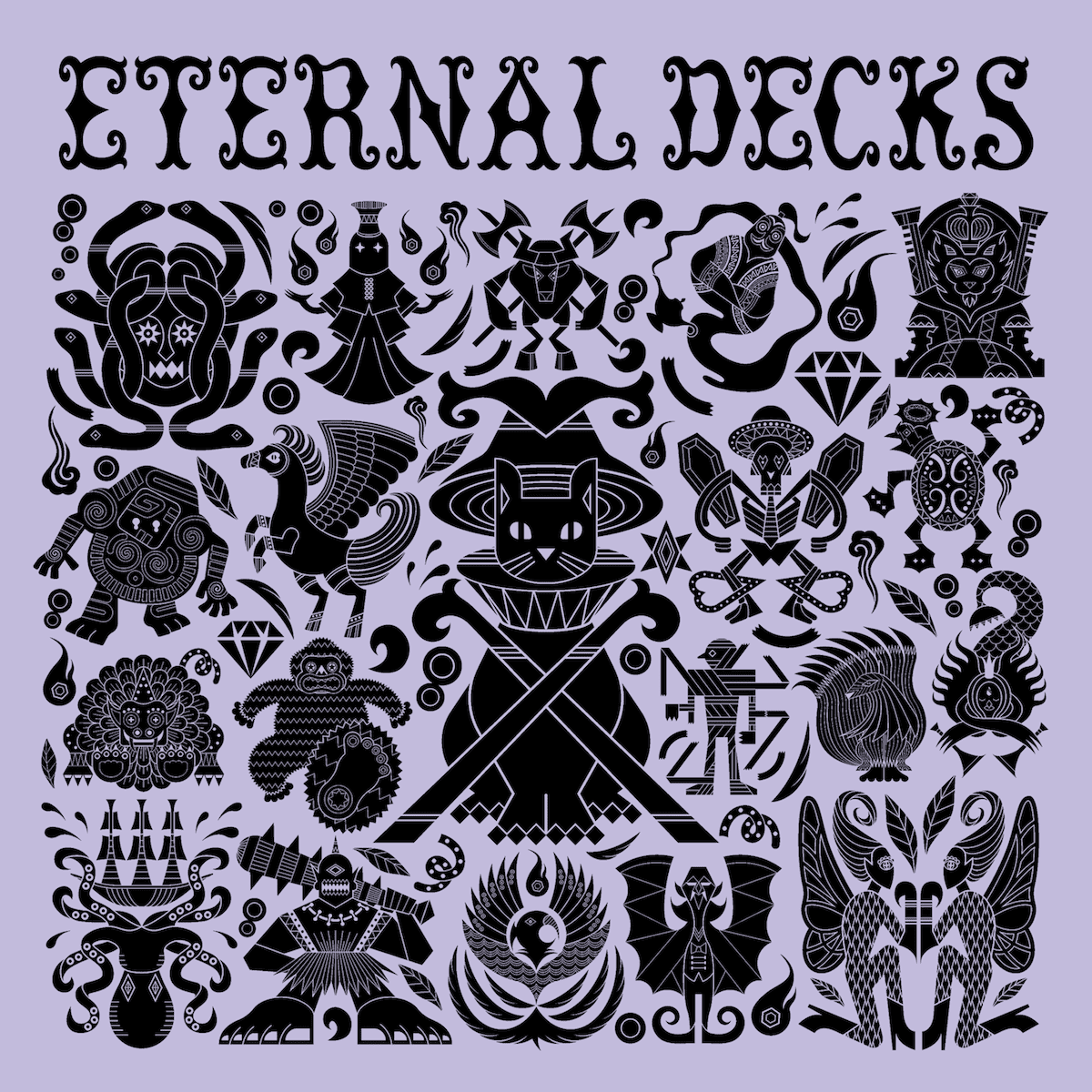
I closed the survey by asking "What's one game you're especially excited about right now?" Amazingly, despite 110 games being named, only seven titles appeared more than once, with Eternal Decks being named three times and -60º, Gold Country, Drillers, Wingspan Pocket, Star Trek: Captain's Chair, Kingdom Come: Deliverance, The Queen's Dilemma, and Lands of Evershade being named twice. (I didn't complete this survey, but I'm also awaiting fulfillment of my Eternal Decks pre-order from Portland Game Collective. No biggie — plenty of other games to play in the meantime.)
Taking out the dupes, one hundred different games have people "especially excited", which is amazing to think about. So much variety! No wonder it can be so difficult getting the same game to the table again and again. Not everyone is as excited as you about your new arrival, and sometimes players give a title only one shot before deciding "not for me".
Nearly all of the titles listed were released in the 2020s or newly available once again in the 2020s as with new editions of Hellas, Concordia, Dogs of War, Clank!, and Dale of Merchants. The oldest games I saw listed were 2003's Magna Grecia (a game I highly enjoyed and haven't played in far too long) and 1993's Stick 'Em (ditto), which makes me wonder: Have we gotten our fill of classics from the past, or do we not even consider them given the current deluge of creations to explore? (I have a review in progress of a 2004 game, so I'm swimming against this trend, but alternatively I could say that I'm leaning into one suggestion above: Wait twenty years before deciding whether a game merits coverage.)
Want more articles like this one?
Get Board Game Beat’s free posts by email — original reporting, designer interviews, and industry news, with no tracking and no spam.