Should the Gen Con 2026 exhibit hall and thousands of scheduled events not feature enough new games for your tastes — or if you're just in the mood for something different — be sure to check out Game Market Indianapolis, a one-night event taking place on Saturday, August 1 at 19:00 on the third floor foyer at the JW Marriott.
Game Market Indianapolis is modeled after Tokyo Game Market, with designers presenting small quantities of self-published games sold directly to the public. GMI is organized by designer Taylor Reiner, who has arranged similar events previously, such as Game Market Vegas 2026, which I previewed in February 2026.
Reiner told me, "We're so excited for this first year and are hoping to show off what's great about the indie game design scene and how this type of event is great for indie game designers and the gaming scene as a whole."
You can see all of the designers taking part in GMI here, along with the games they'll be featuring and with linked rules for many of these games. Titles include:
- Daytime Minutes, by Cardner and Alex Babakitis — in this trick-taking game, cards equal minutes, and you want to use as many minutes as possible on your 180-minute SIM card without going over. Luckily, trick calls in the evening as free and don't count against your balance!
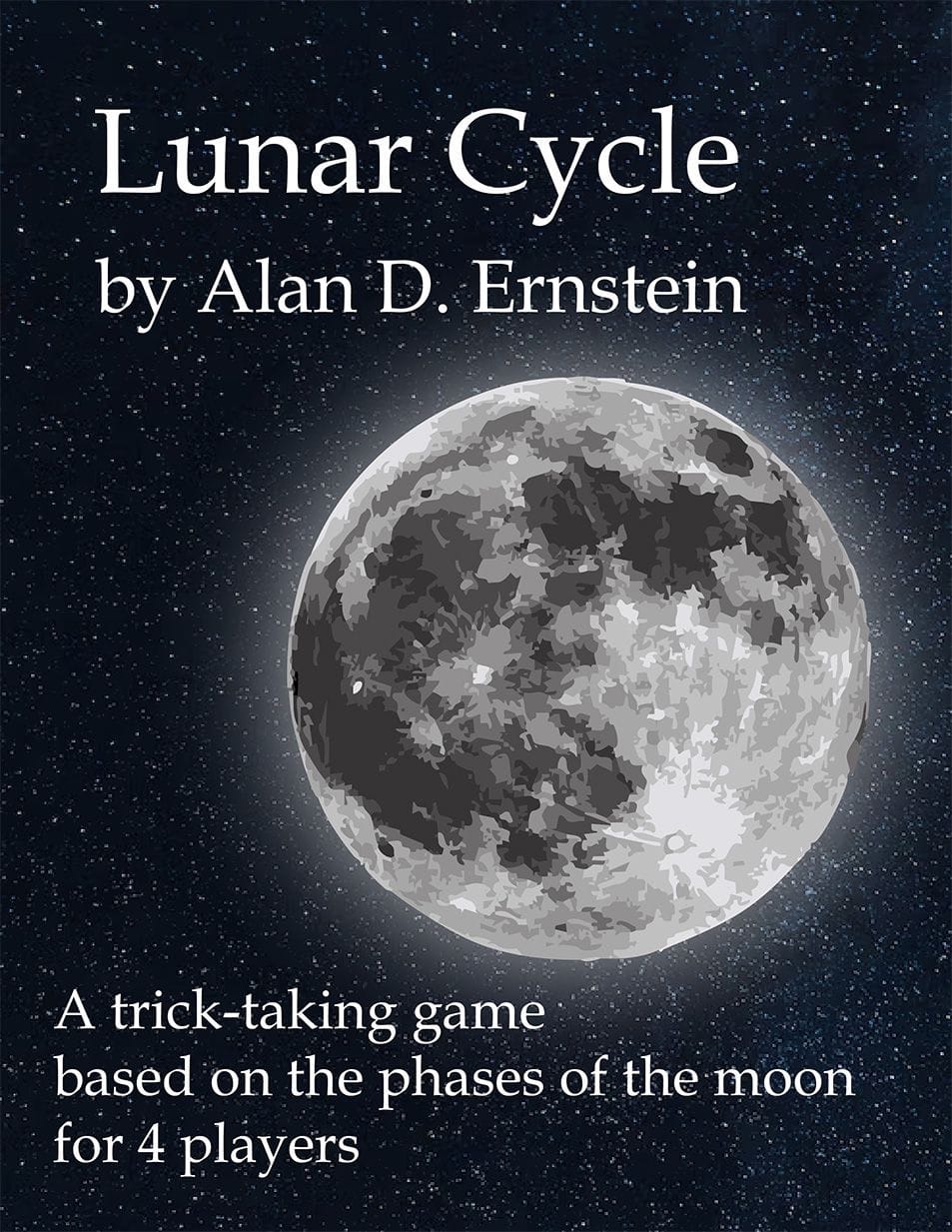
- Lunar Cycle, by Alan D. Ernstein — another trick-taking game, with some card values changing "with the moon". More specifically, after the first trick, 1s become 9s, then after the second, 2s become 10s, and so on.
- That's My Poison, by Carl Klutzke — yet another trick-taking game, a phrase you'll find repeated a lot here, with players serving as chefs on a team. In each of three meals, each chef has a recipe showing two ingredients they want to collect, then they choose an ingredient they must avoid. Should they win a trick that contains this ingredient, they have to throw out everything! The lowest-scoring chef gives the team its final score.
- Shortstack, by Marceline Leiman — in this trick-taking game, you have two hands simultaneously, and in a trick you first play a card from one hand as the suit (following the lead, if possible), then you play a card from the other hand as the rank. The lowest pair of cards wins, and if no pair is played, the lowest-ranked card wins the trick, with that player claiming the points on its ranked cards. However, if you win too many tricks, you're out of the hand and others score.
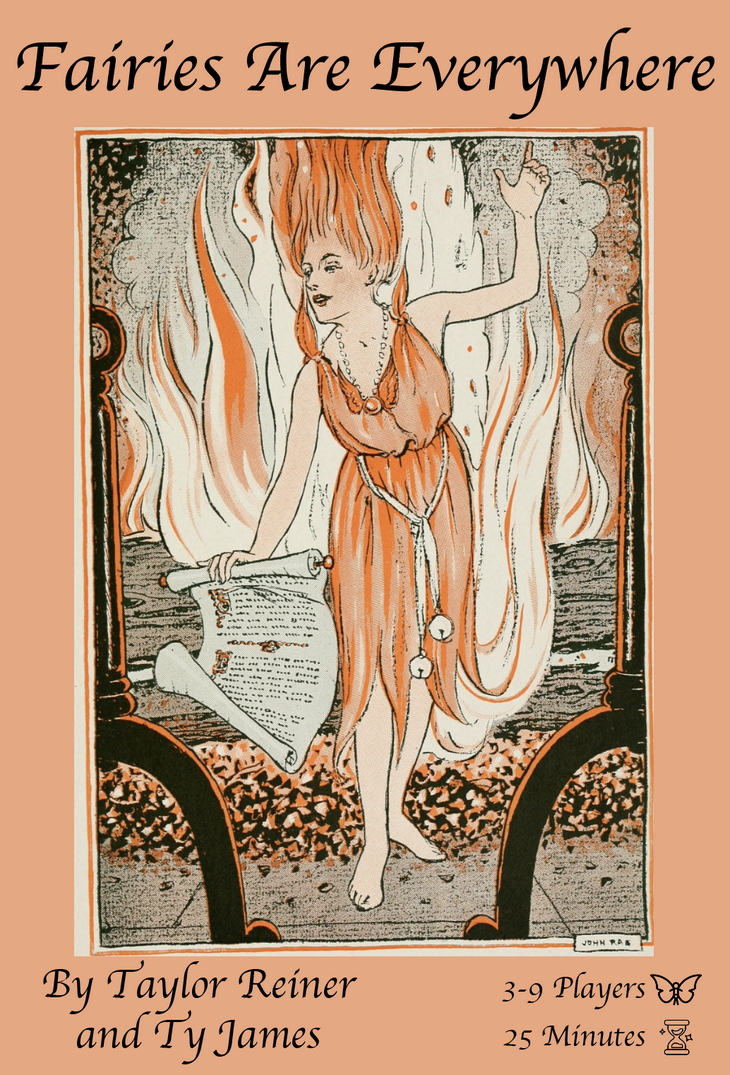
- Fairies Are Everywhere, by Taylor Reiner and Ty James — this trick-taking game pits two humans against 1-7 fairies, with the humans trying to hit their secret bids for tricks taken and the fairies trying to make the humans win the same number of tricks. How do they do this? Each fairy gets a power card and a number of gems, and they can move around the table freely looking at the humans' hands, spending a gem to stop time and perform their power. Curious...
- Through Line, by Lucas and Divya Hedgren — three players have three seconds each to draw one line, then the remaining players try to guess the image they drew collectively.
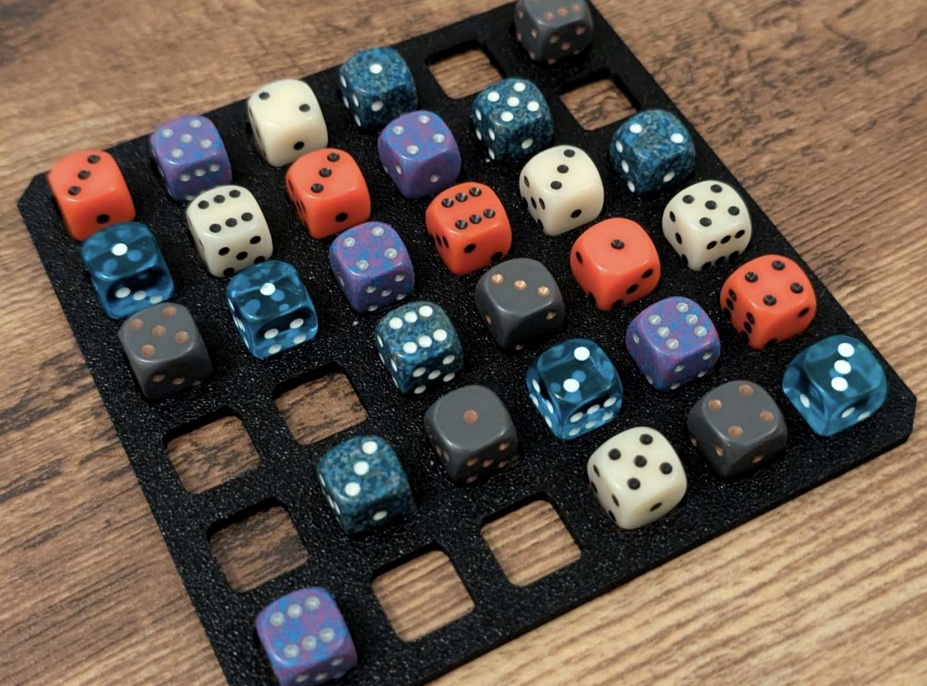
- The Grid, by Rick Fuss — players start with five dice from a bag that contains six dice in each of six colors, and they take turns placing a rolled die in a 6x6 grid, with each number and color appearing at most once in each row and column, after which they draw a new die and roll it. If you can't place a die, discard one from your hand, then re-roll all of your dice, permanently reducing your hand size. Whoever last places a die wins.