

▪️ In June 2026, Dan Thurot of Space-Biff! published an enlightening column about criticism, diving deep into Roland Barthes' concept of the "death of the author", of Barthes' effort to deny the author the sole ability to explain what a work means — something that critics of his day seemed to prize over interpretation —and instead invite readers to discover and develop meanings of their own.
Games are also texts in that they are creative works that others interact with, and for critics, writes Thurot:
[T]he task is to develop an individual perspective that’s literate in where our tabletop games come from, which wider conversations they engage with, what their authors intended and how they succeed or fail, and where they engage with the wider culture at play. Criticism begins as a buyer's guide, transforms into personal expression, but may, with practice and a radical engagement in the medium, transform yet again into true cultural critique, one that is simultaneously subjective and universal, that speaks about truth without surrendering to the notion that there can only be One True Thing. Such a process is fraught, but I believe it's the next essential step in realizing a medium that has only recently stepped out of its infancy.
R. Eric Reuss is working to move Spirit Island to a new publisher while navigating separate questions involving ownership of the game’s trademark, artwork, and graphical assets.
Read: R. Eric Reuss on the Future of Spirit Island
▪️ Sometimes authors are — aside from being not-dead — happy to talk about their creations and detail for recipients of their work how that work came to be. For example, Amabel Holland has released a wonderful, hour-long video about game expansions that dives into why they exist and what goes into creating them, with appearances by designers such as Cole Wehrle, Elizabeth Hargrave, Shem Phillips, and Matt Leacock.
▪️ One issue that complicates the notion of authorial intent is when creative works are made collaboratively, something that happens frequently in the game industry — and when a creative work is owned by a business, sometimes the author will lose control of that work, severing their intent from whatever the final form of that work will be.
In early July 2026, for example, CMON let go of its director of design and development, Michael Shinall, along with other employees. In a LinkedIn post, Shinall writes:
[T]his marks the end of around 15 years with the company, starting way way back when the company was a shoebox warehouse in Alpharetta, GA, just on the tail-end of fulfilling Zombicide...
That all being said, some bookkeeping items to mention: As of yesterday I was effectively and entirely removed from any ongoing projects, in-development projects, and (potential) future designs I was working on for the company...
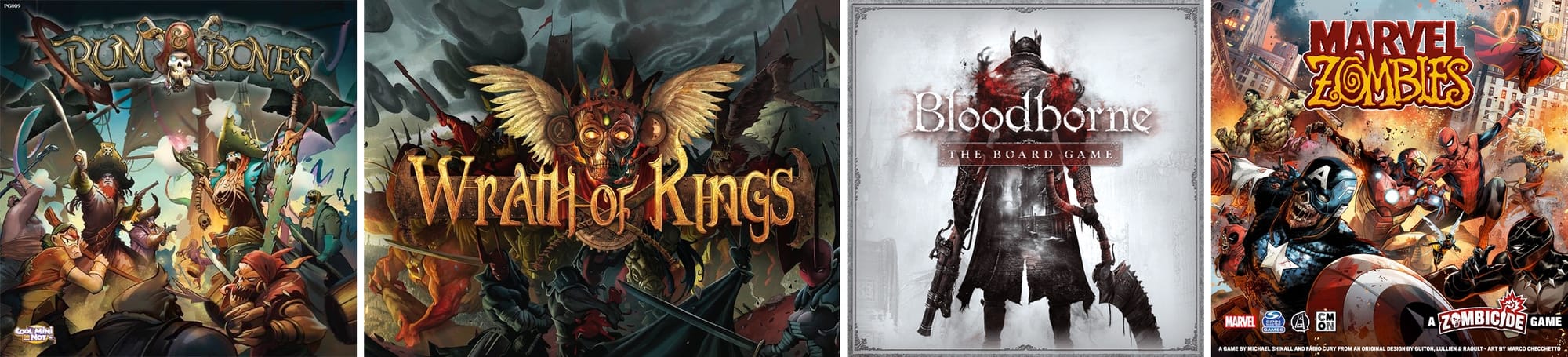
I won't wax poetic about my previous projects, but I am proud of them all for various and diverse reasons, from my initial big box game in Rum & Bones, to my time with the the various wargames over the years (Dark Age, Wrath of Kings, Song of Ice and Fire), and of course the numerous IP-related projects, including but not limited to: Masters of the Universe, Marvel Zombies, DCeased, and probably my favorite personal IP, Bloodborne.
▪️ Even when they keep the same rules, digital versions of games hit differently than the original tabletop versions, highlighting how a player's physical interaction with a game changes one's feeling about it. In a July 2026 blogpost, Jamey Stegmaier writes about Stonemaier Games' approach to digital versions of its designs, posts a survey of where people are playing, and highlights two new entries in the realm of digital adaptation.
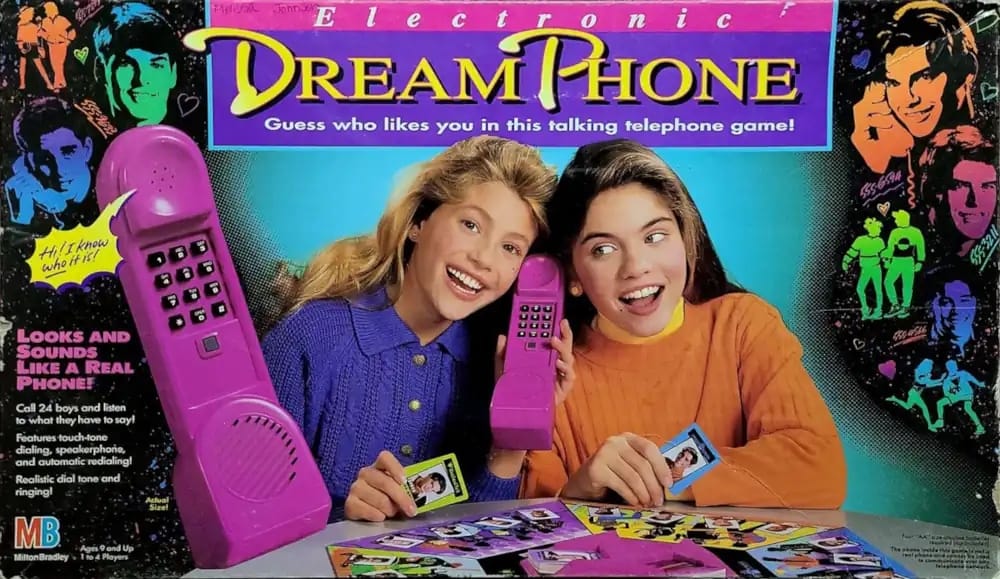
▪️ In terms of making games your own, PEOPLE has interviewed Hannah Young, who has been using her Instagram channel to reminisce about the 1991 board game Dream Phone, in which you call boys on the included phone to get clues as to which one of them is your secret admirer. As Young told PEOPLE, "I just remember them being such a core part of my childhood. The idea of calling these guys and I was just thinking about how bizarre the whole concept of the game was, but how much we really loved it. Like all of us, we were just fully committed to getting the right guy.”
In a May 2026 video, Young pondered the idea of a "Where are they now?" edition of Dream Phone to track down what's happened with the 24 boys featured in the game over the past 30+ years, and as of 13 July 2026 she's been in contact with five of them. Here's the story of Dale.
Follow the people, companies, and ideas shaping tabletop games.
Get Board Game Beat’s independent industry reporting and commentary by email—free, private, and without tracking.


