

On 14 October 2026, designer Yoann Levet shared a picture of a toy and game store he visited in Turin, Italy, writing "Le mur de la honte! 100% IA et plagiat..." ("The wall of shame! 100% AI and plagiarism...")
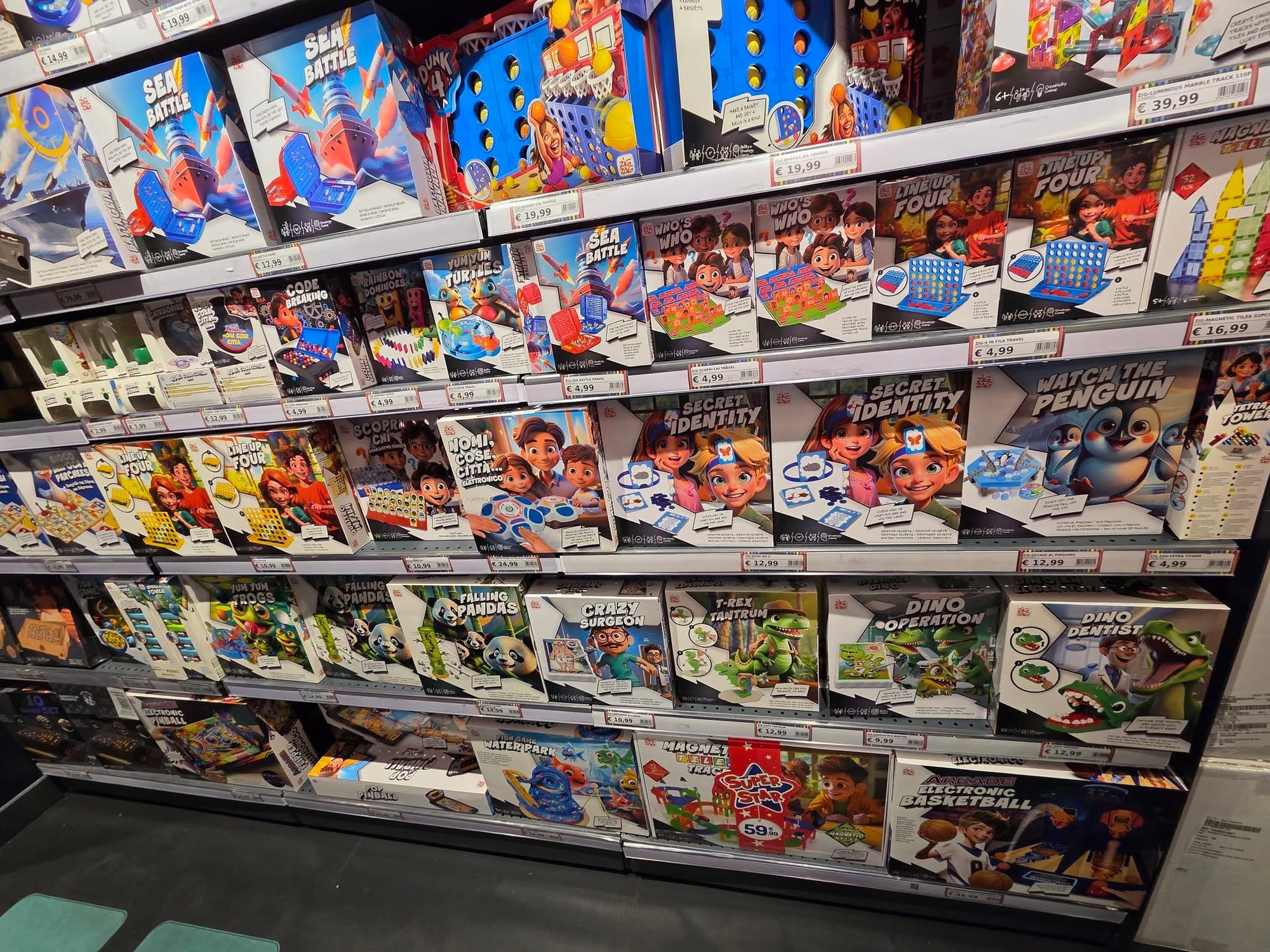
Plagiarism and counterfeits have always been a part of the game industry, but the emergence of AI as an everyday tool seems like it will supercharge piracy to a new level. With that thought in mind, I surveyed publishers and creators on my mailing list about their experience with piracy, and just over half of the 50+ respondents said they had been affected in some manner. "I have seen pirated copies of some of our best-selling titles, like Cheating Moth, Encore!, and (our former game) Skull King", said Anatol Dündar, who oversees product management at Schmidt Spiele.
Given the wide variety of experiences I heard from publishers, I thought I'd present an overview of their encounters with piracy, some of the problems caused, how they deal with these situations, and how to lower your odds of getting burned by a bum game.
Digital Copycats
Let's start with a post from designer Geoff Engelstein, president of the Tabletop Game Designers Association (TTGDA), that he published on Facebook the same week as Levet's "game wall of dubious legality":
TTGDA has learned of a website (which I am not linking to) that is charging people...to play knockoffs of popular board games like Catan, Wingspan, Agricola and more — different names, crappy art, same mechanics.
Importantly, people have to pay to play the games online without any of that going to the publishers or designers. They just stole someone's work and are charging for it....
If you value designers, publishers, and the gaming industry, please do not support sites like this, and let me know if you discover others.
Unlike Geoff, I will name the online gaming site referenced by the TTGDA as I want to highlight a company that no one should do business with: TV-Top Games. I'm calling out TV-Top Games based on an experience my wife Linda had with a marketing consultant a decade ago. She paid him to do specified work for her, then he didn't do the work while claiming he did, so she wrote about his failure in detail to warn other authors not to hire him.
I'm doing the same here: Do not give money to TV-Top Games as the company is trying to profit from games it did not create. If you doubt me, look at some of the games featured on the site:
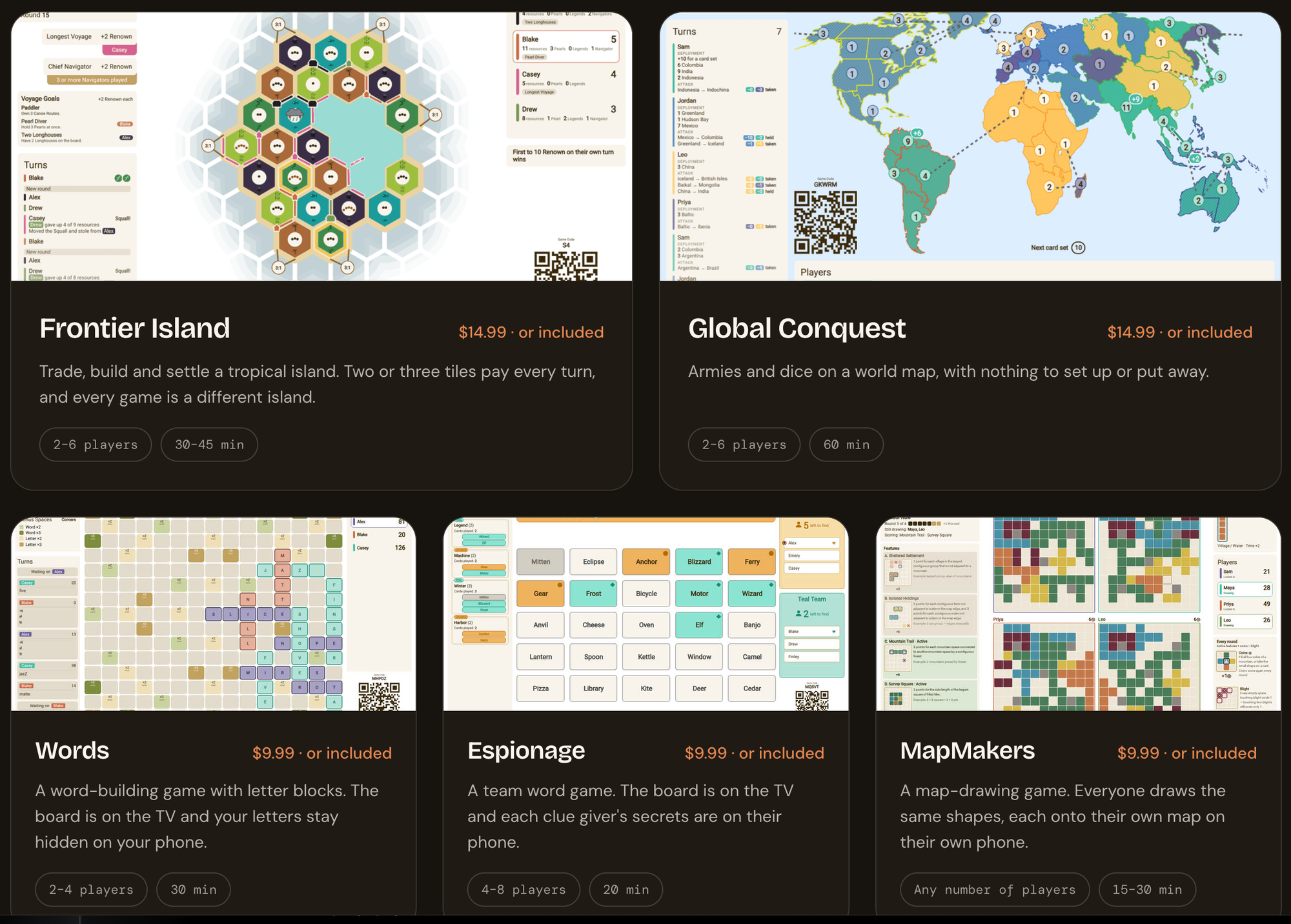
In addition to copying CATAN, Risk, Codenames, and Cartographers, TV-Top Games has "Builder" (Dominion), "Farmers" (Agricola), and "Cavefolk" (Caverna). With these game offerings in mind, let's check out the company's "About" page:
We'll be the first to admit: our superpower is software engineering, not standalone game design...
To showcase what our platform can do, we created our own initial catalog of digital games inspired by familiar tabletop mechanics, like area control, tile laying, wordplay, and worker placement.
We take intellectual property and creative original works very seriously. Every title currently on TV-Top Games features our own independent artwork, text, and code. No third-party publisher's or designer's official game is on our platform today, and TV-Top Games is not affiliated with, sponsored by, or endorsed by any other game publisher.
But our long-term dream isn't just to make our own games; it's to publish yours! We built TV-Top Games to give established board game designers and publishers a simple, modern platform to bring their official, licensed titles to digital screens everywhere.
So you "take intellectual property and creative original works very seriously" other than when you're creating your "initial catalog of digital games inspired by familiar tabletop mechanics"? Seems like bad form to publish unlicensed versions of games, while promoting yourself as a potential partner for "official, licensed titles". (I reached out to TV-Top Games with questions about its business model, but have yet to hear back.)
Publisher Whac-A-Mole
TV-Top Games also previously had unlicensed versions of both Wingspan and Root, but the company removed those titles after publishers Stonemaier Games and Leder Games asked for them to be pulled.
"I want to be clear: we love fan projects", Patrick Leder, owner of Leder Games, told me. "People building free versions of games because they're passionate about them is part of what makes this hobby great, and we've never had an issue with that as long as they don't impinge on our copyrights and they stay free."
TV-Top Games met that first requirement, but not the second one. Wrote Leder, "[That site is] taking dozens of games at once, many apparently built with AI to get around the hard work and permission that a real adaptation requires, and putting them on a platform that's set up to make money. That's not done for the love of gaming. It's done for profit, off the backs of designers and artists who aren't seeing a cent of it."
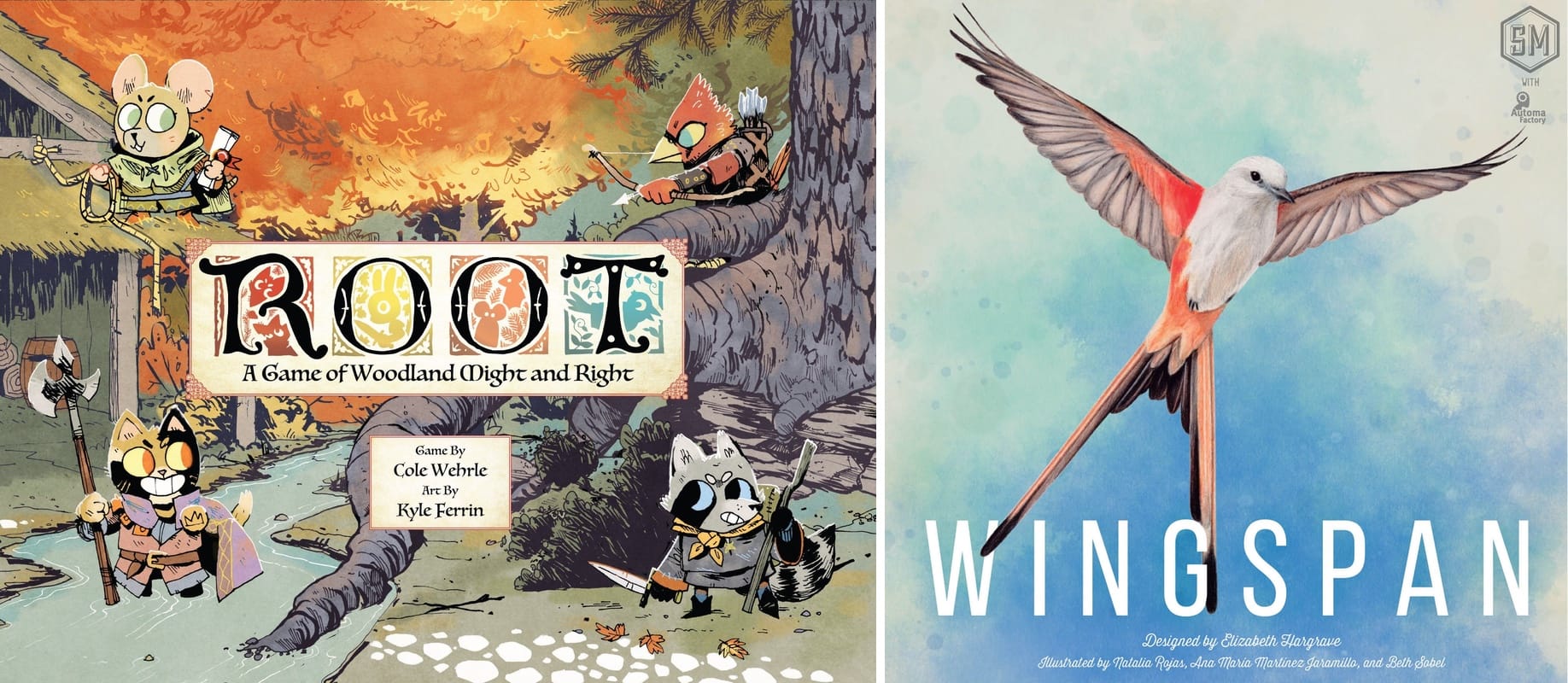
In response to my question about TV-Top Games' "Aviary", Jamey Stegmaier, co-founder of Stonemaier Games, wrote: "Over the years we've seen a variety of ways that Wingspan has been counterfeited or pirated."
The problem, of course, is that the piracy isn't always obvious, both for the publisher and for the player. If, for example, you as a player frequent a long-running site that features online games, you might feel that every game present has been licensed, but that's not necessarily the case.
"Aside from the recent surprise from TV-Top Games", wrote Stegmaier, "versions of Wingspan on Tabletop Simulator have been the main — and most consistent — instance of illegal adaptations. If you see Wingspan or any Stonemaier product on TTS, it is pirated and unauthorized. We've had several conversations with Berserk Games about this, but they maintain that the only possible solution is reactionary (with me issuing a DCMA takedown request every time such a game appears)."
Similarly, Michael Epstein, director and lead designer at Copper Frog Games LLC, has spotted an unlicensed, unapproved version of his 2017 game Pigment on TTS. "I didn't request it to be removed since the game was out of print and out of stock by the time I found it", Epstein told me, "but I may reach out to the maker directly to ask him to put up a link to the new edition's Kickstarter when that goes live."
Some licensed adaptations of tabletop games are available on TTS, such as Indonesia from Jeroen Doumen and Joris Wiersinga of Splotter Spellen, but you wouldn't know that since Indonesia's TTS page credits only "Developer: Berserk Games", not Doumen, Wiersinga, or Splotter Spellen — and permission to adapt one game is not blanket permission for a company's entire catalog. "There have been (and likely are?) tons of other TTS mods [of other Splotter titles]", wrote Doumen. "Joris periodically sends a takedown request, but they pop up again soon after." (I reached out to Berserk Games with questions about its business model, but have yet to hear back.)
Partnering with the Mole Keeper
Publishers often find themselves fighting uphill battles, being forced to respond to piracy each time a counterfeit or knockoff hits the market, as with Stonemaier's and Splotter's efforts regarding unlicensed TTS mods.
Years ago, I spoke with a representative from Czech Games Edition (CGE) who said that they had to constantly monitor listings of Codenames on Amazon, ordering copies each time one popped up in order to have physical proof of its counterfeit nature before being able to get the listing pulled.
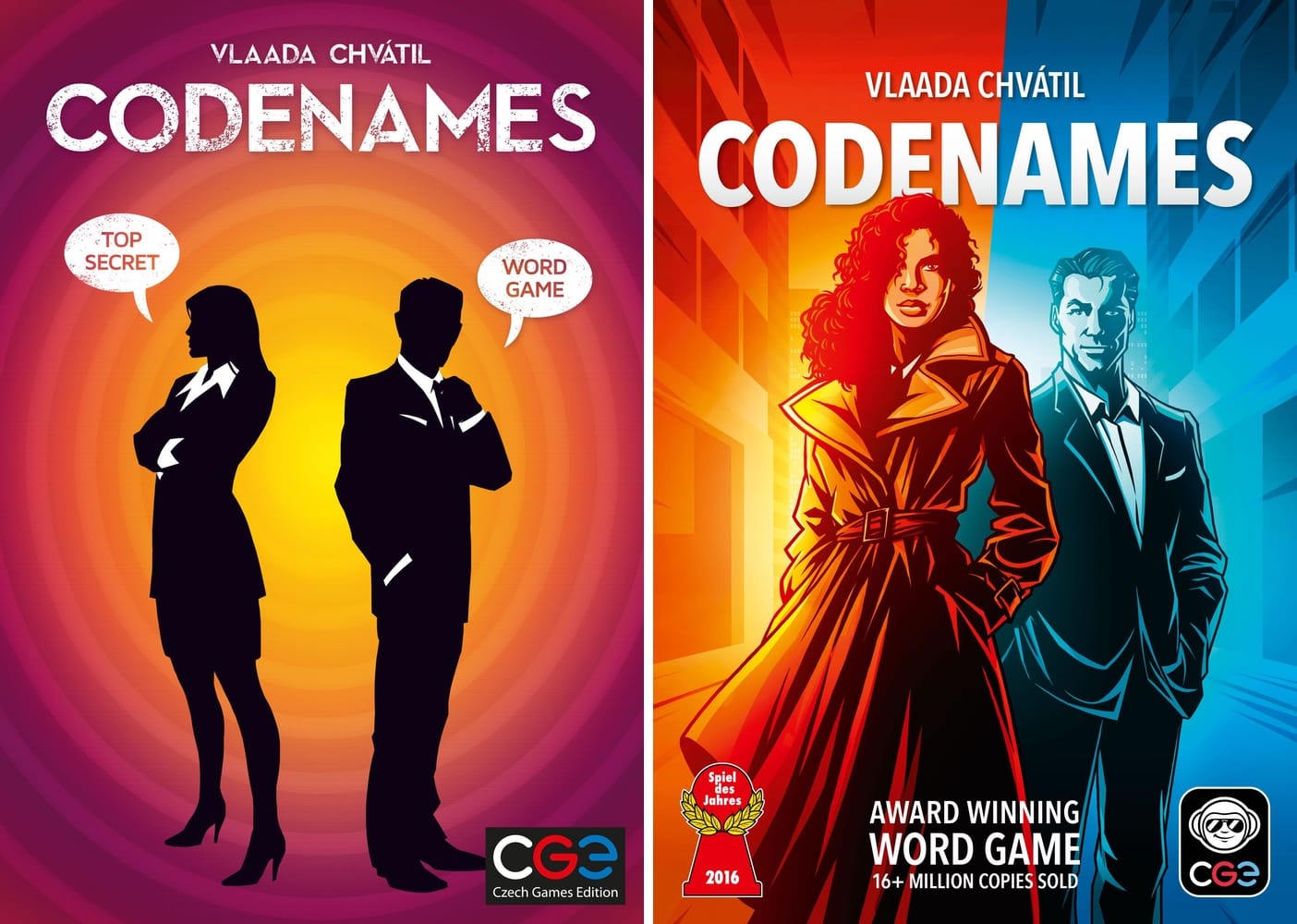
Interestingly, Codenames is now presented as an example of anti-piracy success(!) in an April 2026 article on Amazon Selling Partners, a site owned by Amazon that highlights all the ways in which Amazon is awesome for those who sell goods on that site. Here's an excerpt from that article:
In the Amazon store, CGE saw a 55% increase in sales year over year in March 2026 and the number of units sold up 43%, making it a top board game seller in Amazon's store. That growth is driven in large part by the company's decision in 2024 to become an independent seller, eliminate counterfeits through Amazon Transparency, and restore Codenames to its full retail price of $24.99.
CGE had previously sold its games through a third-party distributor. But behind the scenes, counterfeit versions of Codenames had flooded the Amazon store, dragging the price down to as little as $12 and triggering price-matching pressure from mass retailers. Removing that revenue stream to rebuild from scratch was "a bit scary," [Stephen] Hayward, [head of U.S. Operations and North American Sales and Distribution for CGE], recalled.
CGE rebuilt its brand presence on Amazon from the ground up — establishing trademarks, enrolling in Amazon Brand Registry, and reclaiming ownership of its product listings. The single most impactful move, according to Hayward, was enrolling in Amazon Transparency, a program that applies unique, scannable codes to each unit, making it virtually impossible for counterfeit goods to enter the supply chain undetected.
"[C]ounterfeit versions of Codenames had flooded the Amazon store"? Those versions didn't "flood" the Amazon store on their own; someone put them there, and Amazon enabled sales and fulfillment of those counterfeit games, creating a situation in which the price of Codenames was forced down due to knockoffs.
In short, Amazon solved the problem that Amazon created...at least for CGE. That problem still exists for others. One publisher who didn't want to be named pointed me to an Amazon listing for one of their games that depicts counterfeits among pictures of the actual game, with comments from users that complain about "inconsistent packaging". The title on those counterfeits doesn't match the game's name, so it's easy to spot the forgery when you look for it — but when you order from Amazon, you won't know which one you'll get until you open the package. (That publisher has now started working with Amazon to ensure "brand protection" on that game listing and others. Again, the only way to stopper this piracy spigot seems to partnering with those who own the pipes.)
Pirates at Work Around the World
While sharing information about their games with potential buyers, publishers can inadvertently hand counterfeiters the keys to the kingdom. "We used to offer print-and-play files as the entry point for our Kickstarters, and if the game included miniatures (like Dodos Riding Dinos), the files also included the 3D printable STL files", William Burgos, manager of Draco Studios, wrote me.
Draco Studios crowdfunded Dodos Riding Dinos in mid-2020, then ran another campaign in mid-2022 for a reprint of the base game and a new expansion. The success of the game led to a licensing agreement for a Chinese-language edition in Q2 2023, at which point the licensee, Asmodee China, "alerted us to a Chinese site selling the actual miniatures", wrote Burgos. "Panda GM assured us there was no leak on their end as the manufacturer, so we attributed the piracy to the print-and-play files."
What's more, wrote Burgos, "we have seen print-and-play Facebook groups posting our games for sale, indicating they were created from the print-and-play files even though we stated they are for personal use only, not commercial use. Because of this, we have stopped sharing print-and-play files for some games."
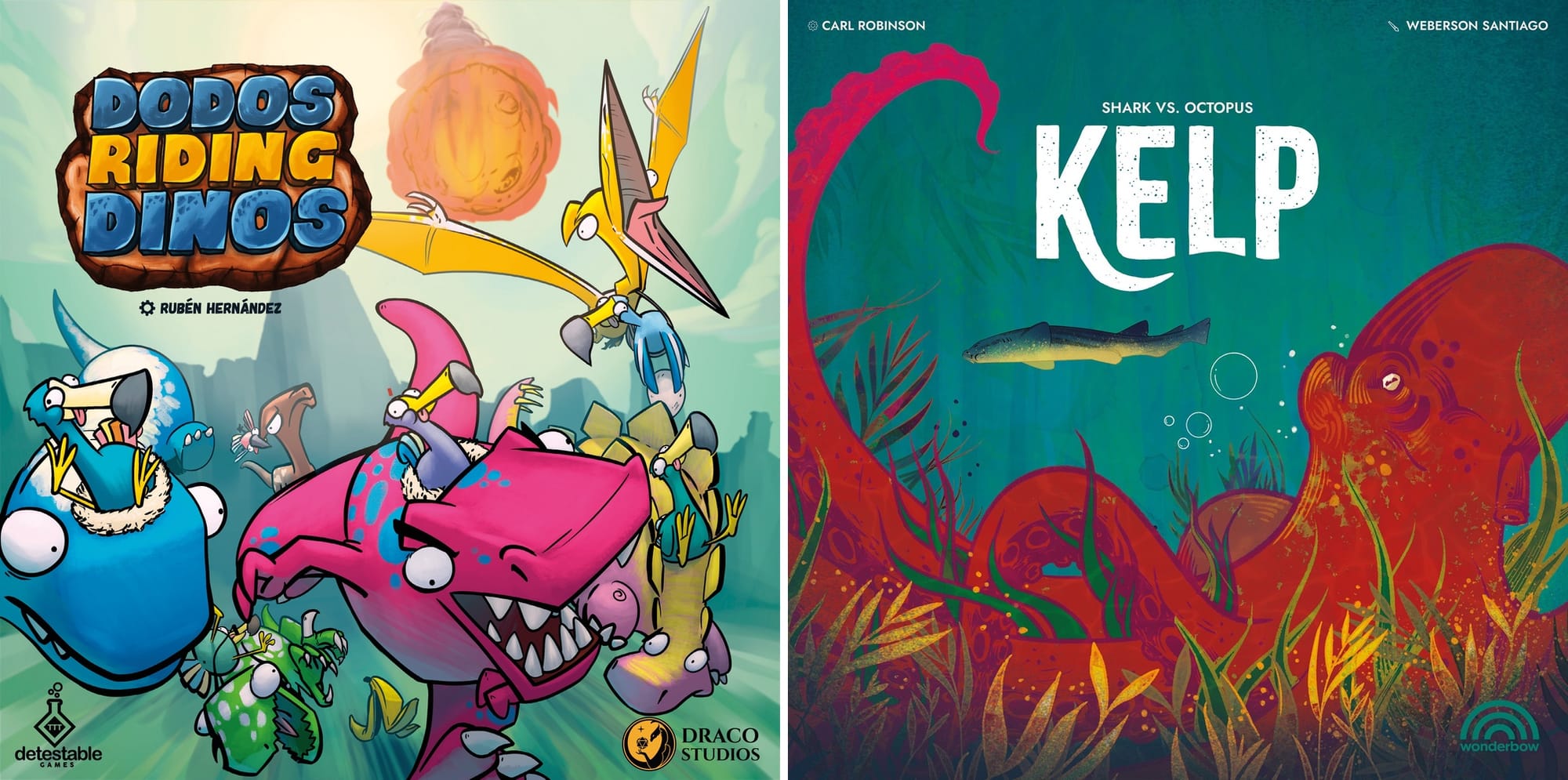
Sometimes a game doesn't even have to hit the market to be ripped off, as was the case with Wonderbow Games' Kelp: Shark vs Octopus from designer Carl Robinson. Wonderbow raised €1.4 million in a late 2023 crowdfunding campaign, and before that campaign had even ended, the publisher found copies for sale on Amazon — them again! — more than ten months prior to the fulfillment of that campaign.
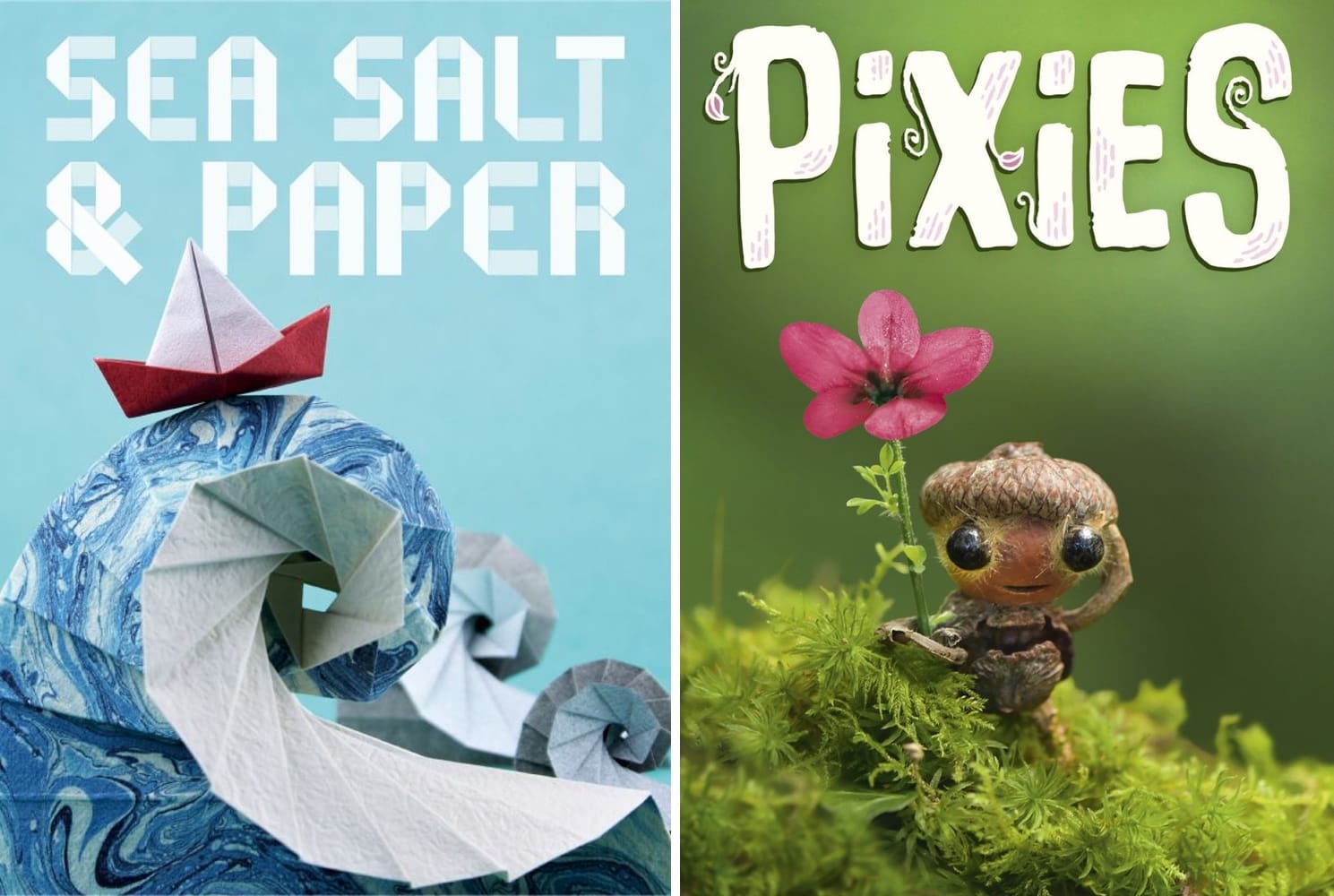
Given the international nature of the industry, piracy affects not only the game's designer and originating publisher, but all of the game's licensees. "We haven't suffered from piracy ourselves directly, but a number of the titles we licensed have been pirated, including Sea Salt & Paper and Pixies", wrote Michiel de Wit, owner of Dutch publisher Gam'inBIZ. "It seems that games licensed by American publishers are particularly vulnerable to piracy, or perhaps more generally games printed in China."
(Pixies and Sea Salt & Paper originate from French publisher Bombyx, with Pandasaurus Games releasing both titles in the United States. The Bombyx editions of these games were produced in Poland, while the Pandasaurus editions were produced in China.)
Daniel Theuerkaufer from Board Game Circus discovered that Reiner Knizia's Chartae, which it had licensed from Italian publisher XVgames, had been illegitimately copied in Iran, while counterfeit copies of Deep Regrets from Tettix Games, which Theuerkaufer represents in licensing, turned up in China. (Other publishers also pointed to China as a frequent source of pirated games, but didn't want to say so on the record.)
The CEO of a Brazilian publisher that specializes in card games wrote, "There are TONS of pirated copies all over the internet, including digital files to print the games yourself." Sales of these copies divert money that would go to designers, artists, publishers, and everyone else involved, making it harder for them to continue to do such work in the future.
Match Madness Matched
One of the most blatant ripoffs I've seen over the past decade has been done at the expense of designer Jeppe Norsker and publisher FoxMind.
Norsker's Match Madness, which debuted in 2016, is a real-time, pattern-matching game — a genre of game design that exists in many other forms, such as Maurice Kanbar's 1980 game Tangoes, Grzegorz Rejchtman's 2003 Ubongo, and Roberto Fraga's 2015 Dr. Eureka. Each round in Match Madness, a pattern card is revealed, then players race to arrange their blocks in an identical pattern. Whoever does so first claims the card, then a new card is revealed, and whoever claims the most cards wins.
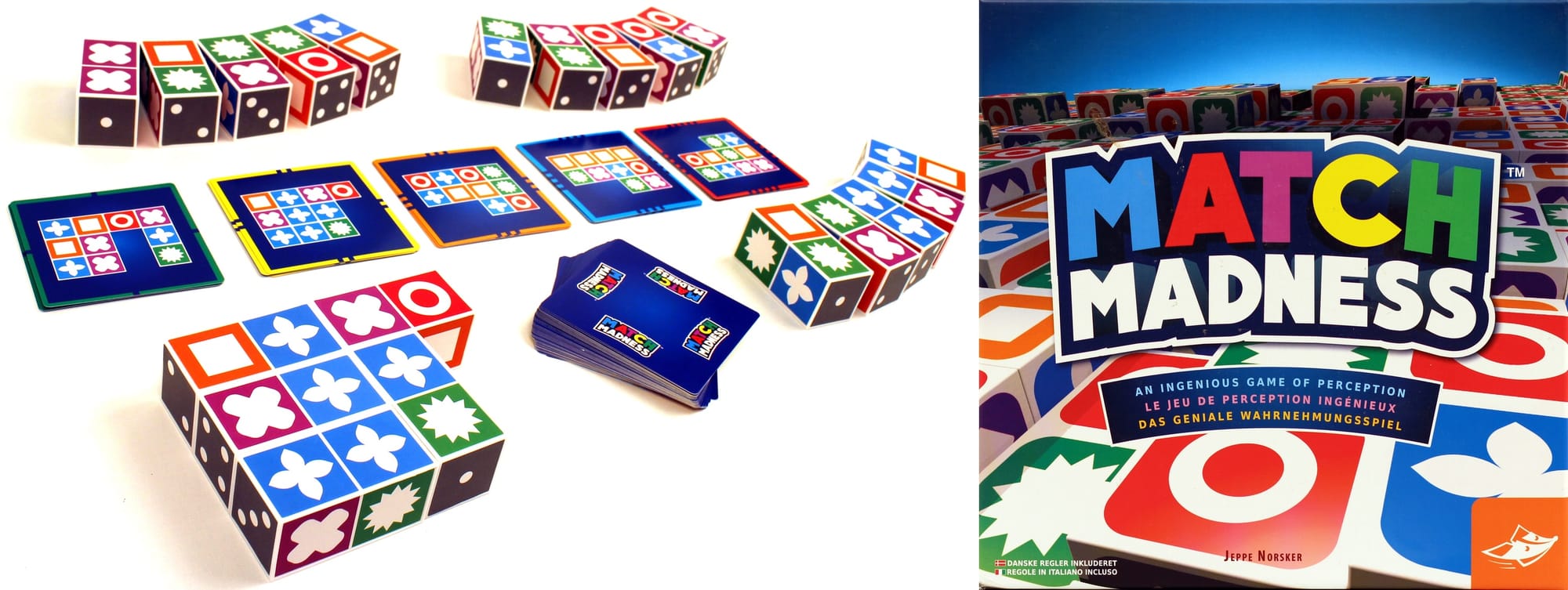
In 2020/2021, I started seeing Facebook ads for The Uzzle...which was identical to Match Madness in its gameplay and component form. Gross, I thought, but surely it will be seen as a ripoff — and an expensive one with a MSRP more than twice as much as Match Madness — and be shunned.
Nope, ads for The Uzzle kept popping up. From talks with a few companies, I know that Facebook ads reach a different audience than "hard core" gamers or even more casual game buyers at mainstream stores, so apparently it was finding buyers.
In May 2022, someone added The Uzzle to BoardGameGeek's page for Match Madness as a version of that game — an honest mistake given that they feature identical gameplay — and FoxMind reached out to me (since I was a BGG admin at the time) to remove the version listing, which I did...and yet The Uzzle as a business carried on.
In August 2024, designer Aaron Donogh, formerly employed by Funko Games, posted the following on BGG:
I am the creative director at Uzzle Games. I thought I would share the story behind this.
Our founder (my boss), is not a gamer. He was interested in getting into the e-commerce side of things and was looking for products he could sell on Amazon and directly to consumers from a website. The product that ended up taking off was The Uzzle, which he pivoted to and decided to be in the games business. It sold at high volumes so he scaled up the business, hiring people for logistics and customer support. Unfortunately The Uzzle was sold to him by an unscrupulous manufacturer in China, who did not tell him it was an existing game. Foxmind, Match Madness' publisher, took The Uzzle to court over this. Because my boss would have to lay off everyone he hired if he stopped selling The Uzzle, he pursued a settlement with Foxmind that allowed us to continue selling The Uzzle in our respective channels. This was all before I was hired, and one of the reasons I was brought on as creative director was that I know the industry and could prevent this from happening again. I've detailed this situation to every designer before we pursue a contract because I want them to be aware of it. If people are uncomfortable working with our company because of it, I understand.
The one part of the situation that really does not sit well with me is that, last time I checked, the designer of Match Madness had not received any of that settlement money, and I'm not sure he's legally entitled to it even if I think its ethical to pay him a portion of that money in my opinion. Since I'm also a game designer, I've been talking to other designers about maybe we should have a standard clause in our contracts to cover money won in litigation over our games so that this doesn't happen again.
[I've been in contact with FoxMind's David Capon with questions about the settlement and Norsker's lack of compensation for sales of The Uzzle, but have yet to hear back.]
The Uzzle is still on the market today, but more incredible than that is the presence of additional copycats, including Funwares' Match Frenzy, Pattern Frenzi, BBNote's Matching Puzzle, Funtactics' Matching Talent, and PlayMonster's Disney Puzzle Blitz.

Searching on Amazon — them again! — also brought up listings for Minoskia's Fruit Matching Puzzle Game, LARDEMOTO's Sports Puzzle, varbertos' Match Puzzle Game, and IORNBEAU's "Puzzle Matching Games, Block Puzzle Games, Visual Recognition Matching Board Game, Family Night Board Game to Develop Kids Problem Solving Skills (Style A)". Got to hit all of those keywords!
"As Match Madness is my most successful game in this business, the rip offs and counterfeit versions have likely cost me an enormous amount", Norsker told me — and the list above is only a sampling of what's been on the market. "I've managed to get more than ten Shopify stores or product listings taken down by filing complaints directly with Shopify. This works in most cases, but things can get complicated if the sellers dispute the complaints."
How to Avoid Ripoffs and Counterfeits
Buyers typically don't know that they've bought a counterfeit game until something goes wrong with it. Ben Harkins at Floodgate Games, for example, heard from someone who requested replacement pieces for a clearly pirated copy of Sagrada. "It ended up creating mismatched expectation between the service they expected to receive from us and what we could provide", he told me. Harkins offered to sell them a legit version of Sagrada for 50% off, and they ghosted him.
Henning Kröpke at 2F-Spiele has been in a similar situation: "There are several pirated editions of 2F-Spiele games, mainly Power Grid and Friday, but also some other titles. I never got a physical copy, but received photos from affected customers, who needed to understand that we cannot send replacement parts for crappily produced pirated copies."
Given the wide variety of ways in which you might fall prey to predatorial pirates, how can you avoid being taken? How can you be sure that you're playing and buying games that fund the originating designers and publishers of those games? Here are guiding principles to keep in mind:
- Buy directly from the creator or publisher. This is the most obvious suggestion possible, but let's state it anyway. If you're at a convention buying a game from the person whose name or logo is on the box, then you're (almost) certain to be giving money to someone involved with the game's existence.
- Buy from the creator or publisher's website. Second best is purchasing from creators through their established retail outlets. In both this case and the one above, they will (generally) earn more per copy of the game than in any other situation. If you're a fan of the creator or publisher, consider supporting them in this manner.
- Buy from brick-and-mortar stores. Counterfeit games rarely find their way into distribution, so if you're purchasing items from a game store, a department store, a gift store, etc., then you're (probably) being a legit production.
- Avoid Amazon and other discount online retailers. I know, I know, one of the biggest attractions of online outlets is their low, low prices, but as some of the examples above point out, those cheap bargains can cost you more than you expect due to their low quality. "We have seen pirated copies of our games being sold online on sites like Temu, scrubbed of our brand name, artist names, etc.", Jess Carrier of Thunderworks Games told me.
- Check BoardGameGeek to see whether the publisher listed on the box has a version listing on that game's page. Having worked at BGG and seen the sausage being made, I know this is not a foolproof solution since (1) not every publisher submits info to BGG and (2) users sometimes submit bogus info because they don't know better.
- Check the publisher's website to see whether it lists licensed partners. From my perspective, not enough publishers do this, which is surprising as I would want potential buyers to know where they can look for games I release. Stonemaier Games excels in this regard, as with this example from its Wingspan listing:
Wingspan has been translated into 27 languages with the following partners: Brain Games (Baltics), Grok Games (Brazilian Portuguese), Bluebird Games (Bulgarian), Surfin’ Meeple (Traditional Chinese & Simplified Chinese), Mindok (Czech), Lautapelit (Finnish), Matagot (French), Feuerland (German), Kaissa (Greek), Alpha Ventures (Hindi), Delta Vision (Hungarian), Ghenos Games (Italian), Arclight (Japanese), Korea Board Games (Korean), 999 Games (Dutch), Rebel (Polish), Divercentro (Portuguese), Regatul Jocurilor/Wanted (Romanian), MIPL/Pridemage (Serbian), Maldito Games (Spanish), Asmodee Nordics (Swedish, Norwegian, Danish), Siam Board Games (Thai), Troy Games (Turkey), Igromag/Tower Rex (Ukrainian)
- Check the publisher's website to see whether a digital edition is authorized. Admittedly, this can be a tedious process. Scroll to the bottom of Leder Games' Root page, for example, and you'll discover a link for "Digital Adaptation" that takes you to the website of licensee Dire Wolf Digital — but you might not think to do this initially. Some online gaming sites will state their policies regarding game licensing and authorization, but not all of them will make that info easy to find. Deep in its FAQ, Board Game Arena states that for each game it needs "The authorization of the digital rights owner for the game (most of the time, the original publisher)."
Want more articles like this one?
Get Board Game Beat’s free posts by email — original reporting, designer interviews, and industry news, with no tracking and no spam.


